Texts

Text 1 – Geography and Climate

If you talk about Canada, you talk about extremes. Canada is the world’s second largest country. It has an area of about 10’000’000 km². In comparison, Switzerland only is about 40’000 km². Compared to it’s area, the population is not that large!

The border to the USA is the world’s longest land border at almost 8900 kilometres.

Canada is also extreme in terms of climate. The temperatures in the Yukon Territory in the north can reach some minus 60 degrees, while in the South, temperatures of plus 45 degrees have been measured.

More than 40% of the country is covered by forest – no wonder that the national symbol is the maple leaf. You can also see it in the centre of the flag of Canada. Its national animal, by the way, is the beaver.

Text 2 – Population and languages

Canada’s population is only 38 million. Statistically, this means you will find approximately 3.3 people per square kilometre only. In comparison, in Switzerland, there are 215 people per square kilometre. Around 75% of all Canadians live within 200 km of the southern border. Canada is one of the world’s most multi-cultural nations. For only 60% of Canada’s population is English the mother tongue. Canada has two official languages: English and French.

Text 3 – Sports and food

The most popular sport among the Canadian population is ice hockey. Many Canadians play ice hockey from a young age.

Poutine is probably the favorite dish for Canadians. It consists of french fries topped with cheese curds and covered in gravy.

One of the most famous products from Canada is the maple syrup. It comes from the sap (Saft) of maple trees. Most of the world’s maple syrup is made in Canada. Canadians often use it on pancakes and waffles.

Text 4

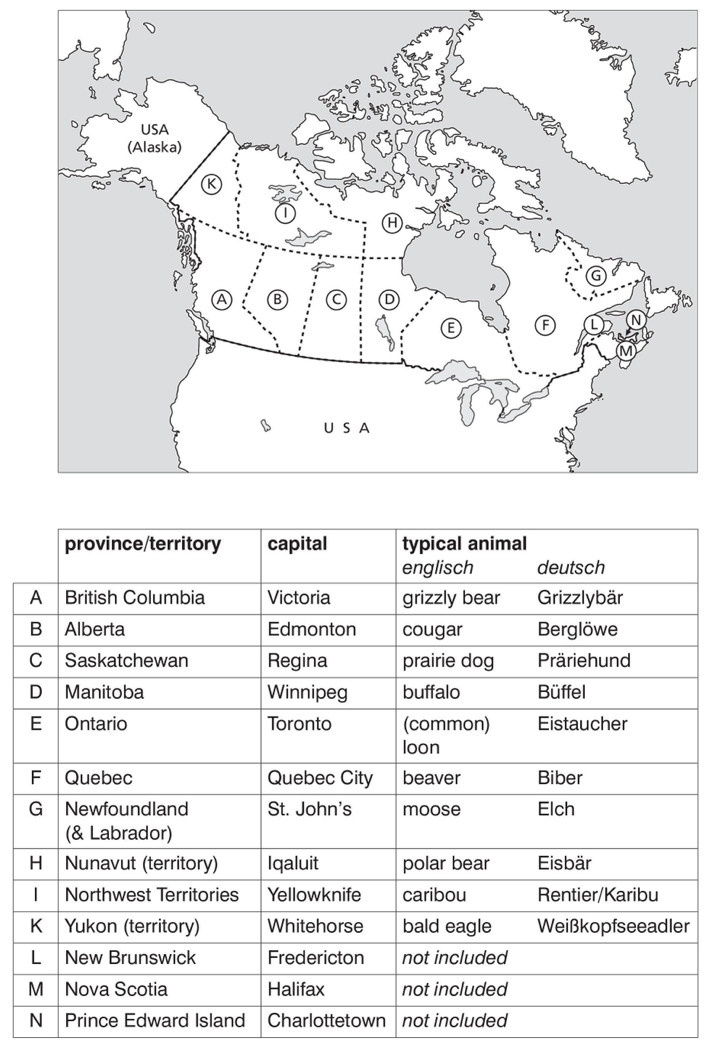
Northwest Territories

Is right next to Yukon and has a wolf on its flag.

New Brunswick

Lies between Quebec and Nova Scotia and has a big ship on its flag.

British Colombia

Has access to the Pacific Ocean and a sun of its flag.

Yukon

Has a border with Alaska and a dog on its flag.

Ontario

Is the province of the capital of Canada and has a British flag on its flag.

Saskatchewan

Has the shape of a square and a flower on its flag.

Alberta

Lies between British Columbia and Saskatchewan and has mountains on its flag.

Manitoba

Lies east of Saskatchewan and west of Ontario and has a buffalo on its flag.

Nova Scotia

Its capital is called Halifax and its flag looks similar to the Scottisch flag and has a lion on it.

Nunavut

I’m the most northern territory and have a pile of stones on my white and yellow flag.

Prince Edward Island

Is a tiny island in the Atlantic Ocean and has four trees on its flag.

Prince Edward Island

Is a tiny island in the Atlantic Ocean and has four trees on its flag.

New Foundland and Labrador

Has a border with Quebec and has the colors yellow, red, blue and white on its flag.

Quebec

Lies between “Newfoundland and Labrador” and Ontario and has a big white cross and four symbols of lilies on its flag.


Pictures

Bild 1

Bild 2

Bild 3

Bild 4

Bild 5

Bild 6

Bild 7

Bild 8

Bild 9

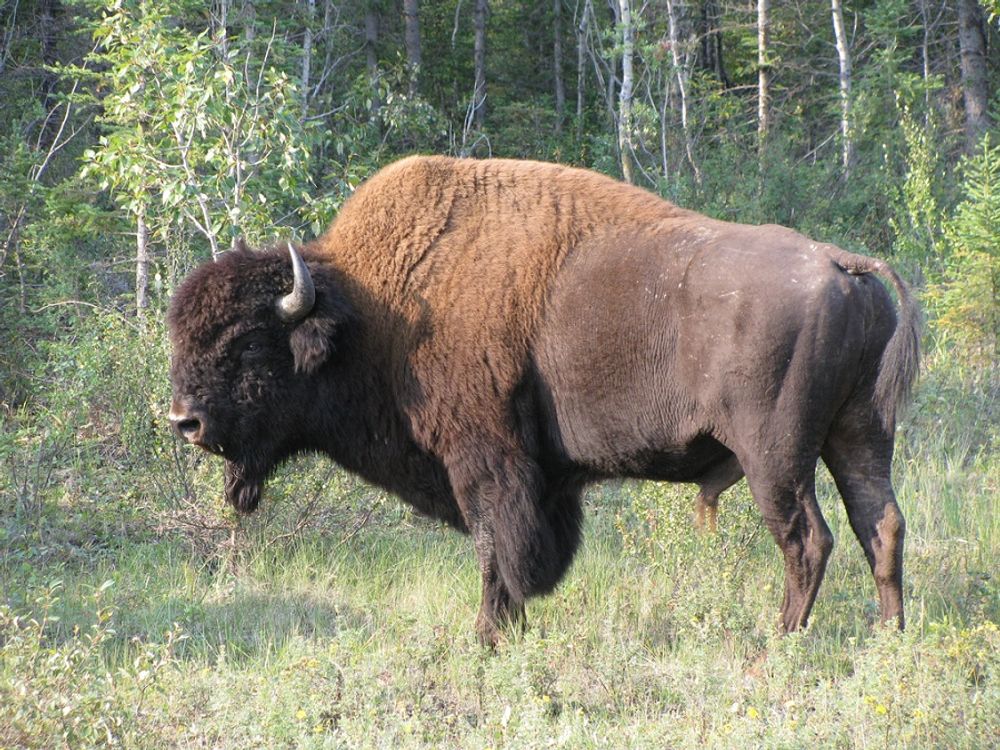
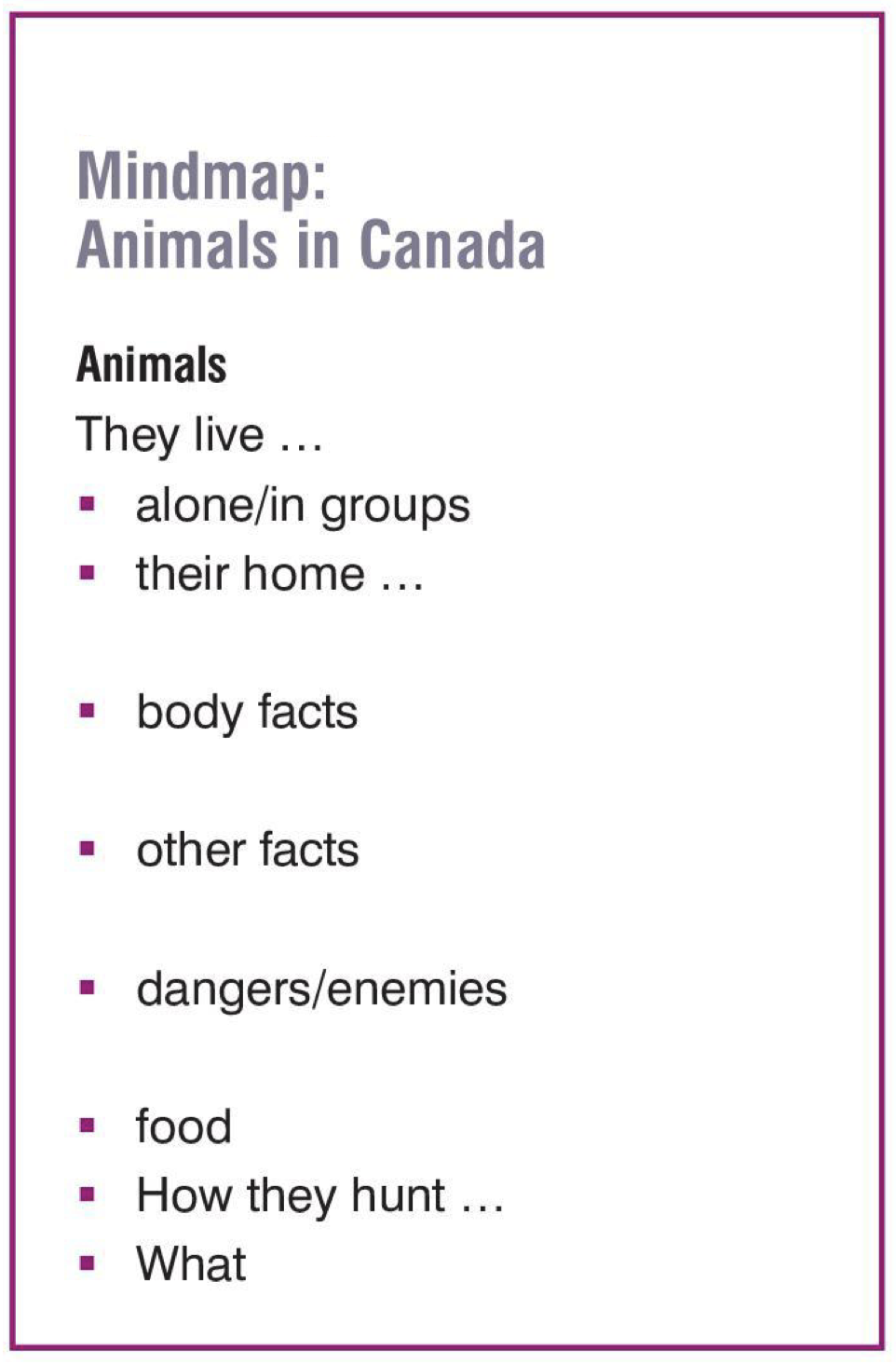
Buffalo

The buffalo is the largest land animal in north America. it is also called “bison”. This animal is very famous in the province of Manitoba.

Buffaloes grow up to 2 m and run up to 50 kph. They are really heavy and can weigh up to 1,000 kg. The buffalo is a group animal and has got thick brown fur and short horns. The buffalo’s favourite food is grass. Buffaloes also eat berries, twigs and shrubs. They are plant-eaters. The enemy of the buffalo is the grizzly bear, the cougar or the wolf. But people are enemies, too.

in the past, many people came from europe to live in canada. They needed food, land for farming and leather. so they killed sometimes more than 100,000 buffaloes per day. The buffalo was almost extinct. Today, this animal is protected and you can see buffaloes in canada’s national parks.

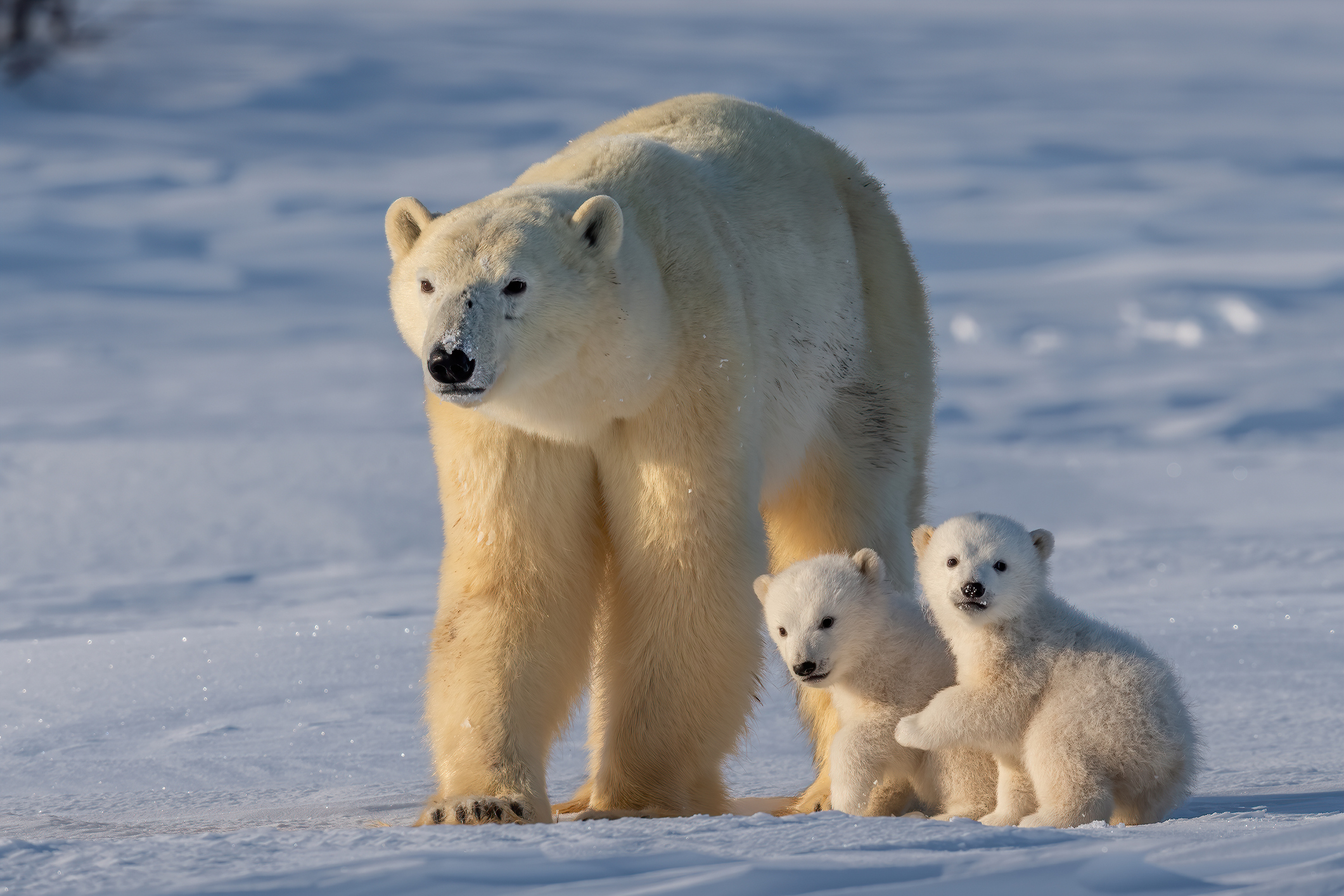
Polar bear

Polar bears are the largest bears in the world and you can see them in nunavut. Polar bears are up to 3 m long and can weigh up to 700 kg. Polar bears travel from one place to another and look for food. They are very good swimmers, too.

Those bears love to eat meat. seals and walruses are their favourite food. They are good hunters and catch the seals with their strong claws. in the summer, they also eat berries, bird eggs or fish. Their good sense of smell helps them to find food.

A thick and oily fur and a lot of fat protect the bear from getting wet and cold in the icy water. Polar bears usually live alone. They only attack people if they are very hungry or if people make them angry. But sometimes polar bears come into the towns and search for food. This is very dangerous and often people kill the bears. Another danger is the climate change. When it is too warm, there is less sea ice and the polar bear cannot hunt for seals.

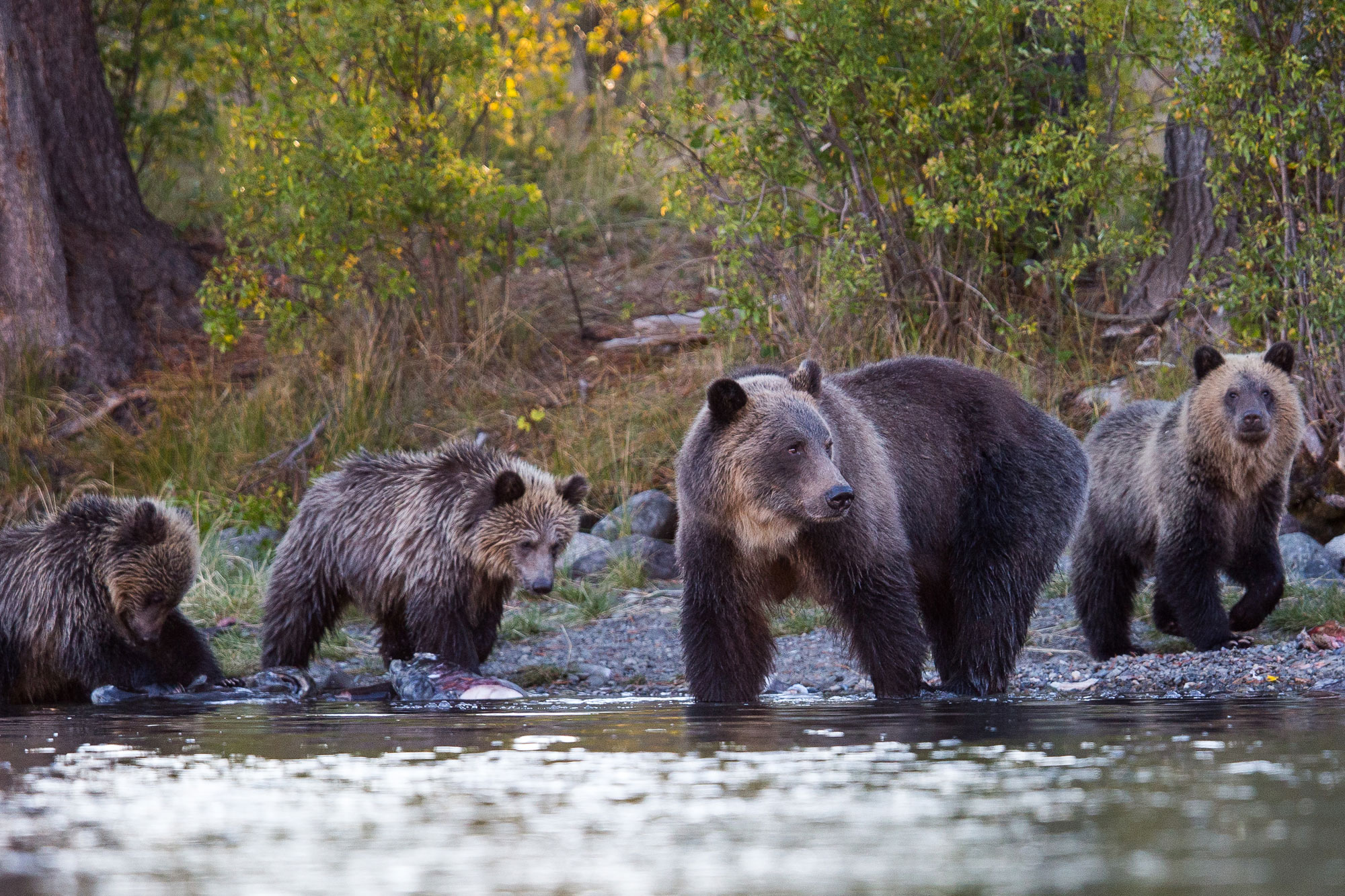
Grizzly bear

Grizzly bears live in many places in canada, for example in the mountain forests or river valleys in British columbia. normally, grizzlies don’t live in groups.

in canada there are about 25,000 grizzlies.

They can be 2 m long and weigh up to 600 kg. They have got a thick brown fur. Grizzlies have also got a large hump on their shoulders.

These animals use their sharp, long claws to search for roots or kill other animals. Grizzly bears eat fish and sheep but they also like berries or insects.

They eat nearly everything.

Grizzlies are more active at night and they sleep during the winter. But you must be careful not to wake them up.

Many people think that grizzlies are very dangerous. every year people kill a lot of grizzly bears. But very often the animals only want to protect the young grizzlies.

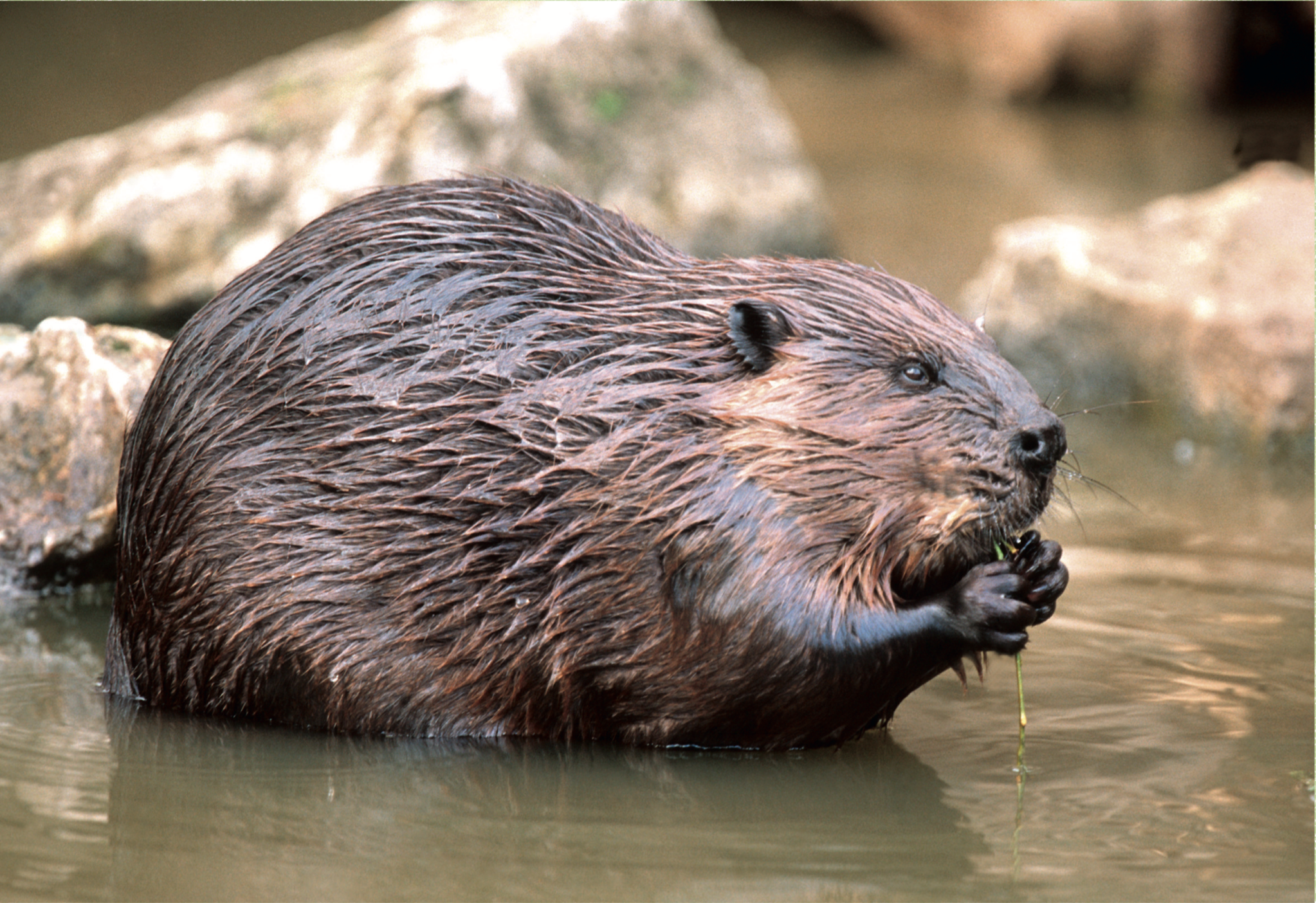
Beaver

The beaver is canada’s national animal. Beavers live almost everywhere in canada, for example in Quebec. Beavers are rodents and love rivers. The beaver has got a large and flat tail. Beavers need this special tail when they swim. These animals are really good swimmers and can be underwater for 15 minutes. A beaver can be more than 1m long and weigh up to 30 kg.

Beavers are also famous for their sharp and strong teeth. They use their teeth to cut down trees. Beavers love to build dams in rivers – they are hard workers and work together in groups. The beaver’s favourite food is the bark of trees, water plants, roots and twigs.

Bears, coyotes and wolves are they beaver’s enemies. People are also dangerous for the beaver. in the past, people killed the beaver and used the pelts for clothes. in the 1970s hunters killed 500,000 beavers in north America in only one year.

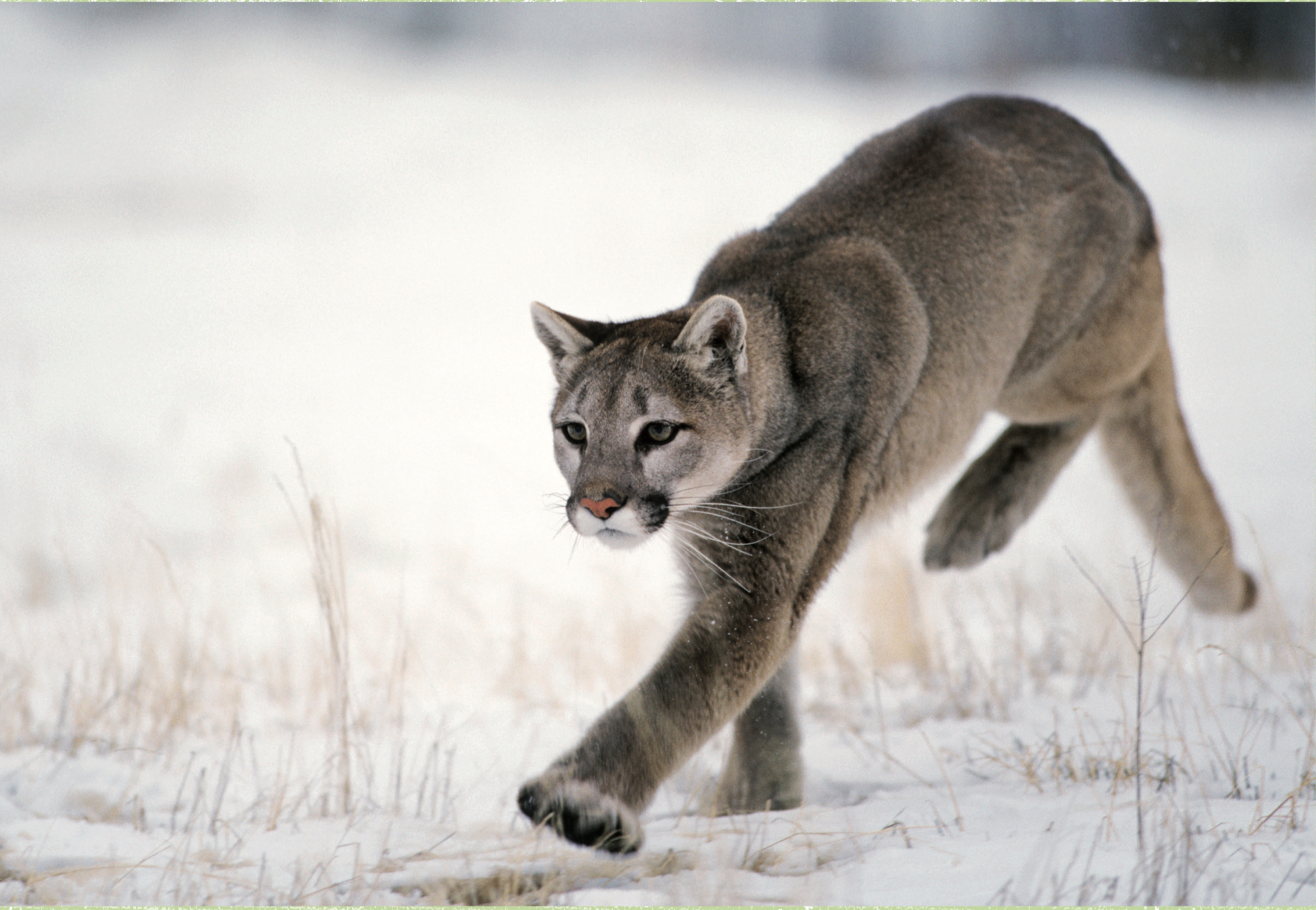
Cougar

About 4,000 cougars live in the mountains and forests of western canada.

The cougar is also called “mountain lion” and can be seen in Alberta. cougars live alone. They are excellent swimmers, jumpers and climbers. cougars can grow up to 2,5 m long and weigh up to 100 kg. Only young cougars (kittens) have got dark spots on their coat. later, the coat becomes brown. cougars can see and hear very well. Their teeth and claws are very sharp.

cougars can kill people, but normally they do not attack us and hunt for deer, moose, rabbits, birds or beavers. They are meat-eaters. But sometimes the cougar attacks farm animals like horses or sheep, too. This makes the farmers very angry and many cougars are killed every year. in canada’s east, there are no cougars anymore. in some parts of canada, the cougar is protected.

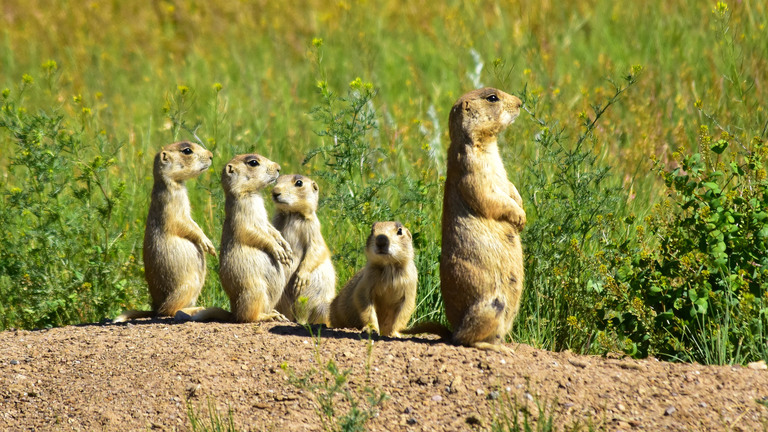
Prairie dog

The prairies of saskatchewan are the home of the prairie dog. But prairie dogs are not dogs, they are rodents. They are called “dogs” because they bark to warn the others when there is danger. They live together in very large groups – sometimes there are more than 100 animals. They love to build underground tunnels and rooms. They are active during the day. Prairie dogs have got strong teeth and sharp claws. They sleep during the winter. Prairie dogs eat grass, leaves, corn, seeds or berries. They do not drink water – all the water they need is in their food. Prairie dogs are up to 40 cm long and weigh up to 2 kg. They have also got a tail. Their fur is brown.

The prairie dog must be very careful, because there are a lot of enemies. Wolves, foxes, owls or even snakes hunt prairie dogs. Maybe you find the prairie dogs cute. But a lot of canadians do not. Farmers kill a lot of prairie dogs every year, because they eat up wheat and corn.

Bald eagle

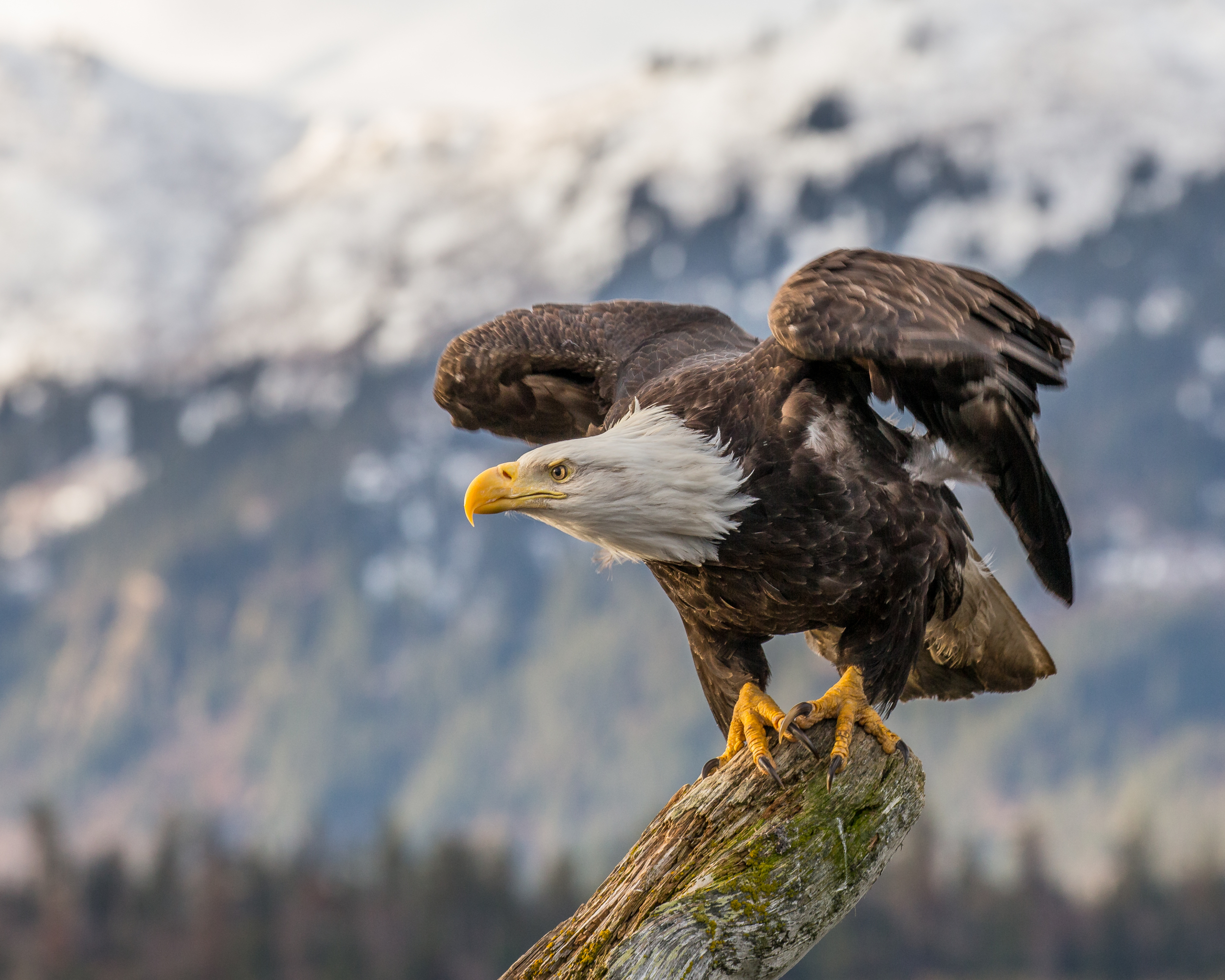
The bald eagle is canada’s largest bird of prey. These animals have got white feathers on their head; the other feathers are brown. Bald eagles can live to be 40 years old. Their wingspan is more than two metres. The bald eagle has got a long, yellow beak and can see very well. A lot of bald eagles live in Yukon.

These birds live in forests or near large bodies of water, because they need trees or cliffs to build their nests. Bald eagles eat fish, rabbits, birds or other small mammals. They are very good hunters and look for food during the day. normally, the eagle has got one partner for life. Bald eagles do not have natural enemies, but they do not want to have contact with people. But canadians build more and more houses – sometimes it is hard for the bald eagle to find a home far away from people.

Moose

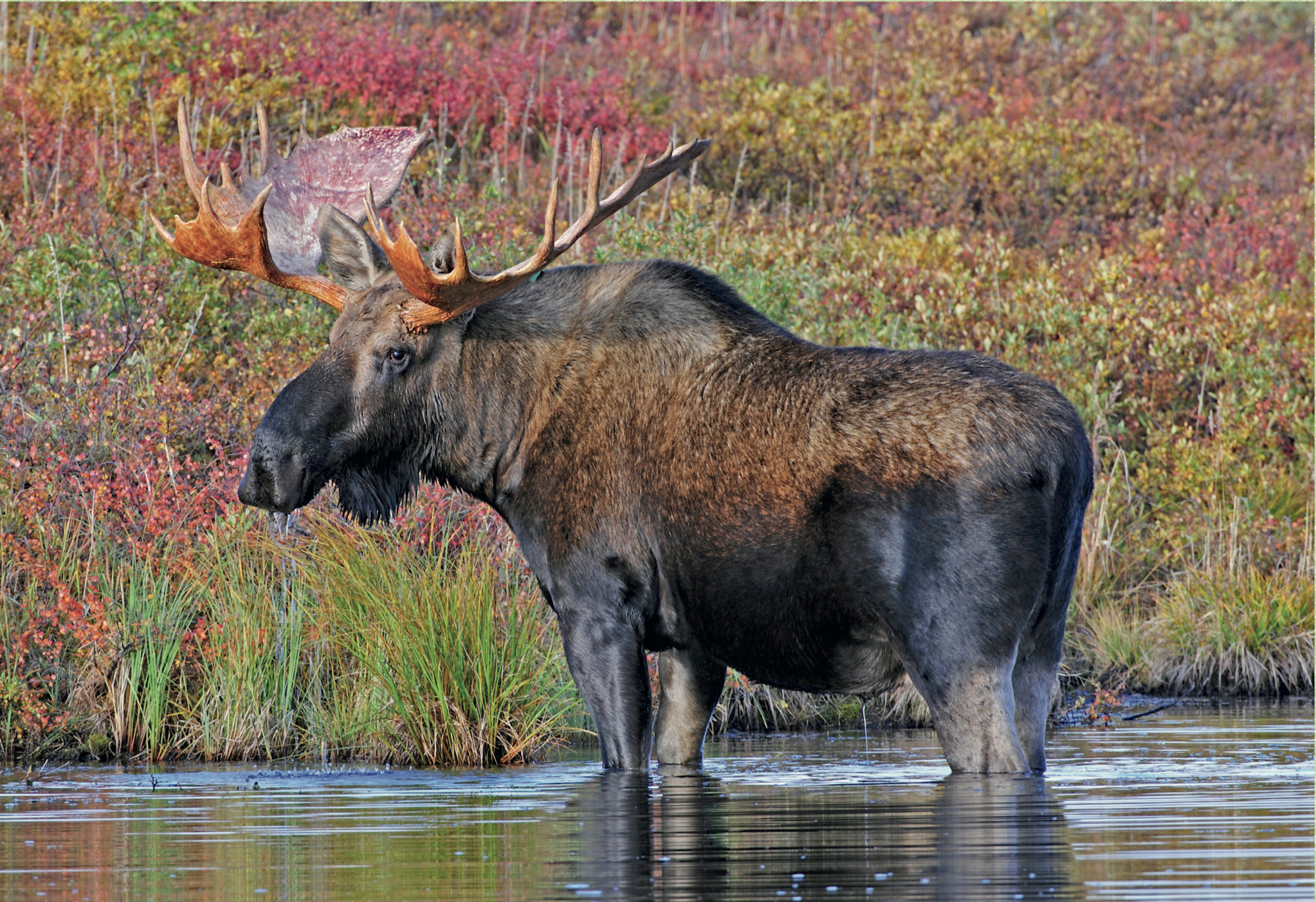
Moose live in all parts of canada, especially in forests. A good place to see moose is newfoundland. in europe this animal is called an “elk”.

Moose can live to be 17 years old. They have got dark brown fur and a very short tail. They weigh up to 600 kg and can be up to 2.3 m tall. Only male moose have got antlers. These fall off every autumn and grow again.

Moose eat plants like berries, the bark of trees, twigs, grasses or water plants. Moose are very good swimmers and fast runners but they cannot see well. They use their ears and nose to find food or spot dangerous animals or people. normally, moose do not like company and live alone.

Moose have got a lot of enemies. Grizzly bears or wolves can kill moose. People also hunt moose, because their meat is very tasty.

Common loon

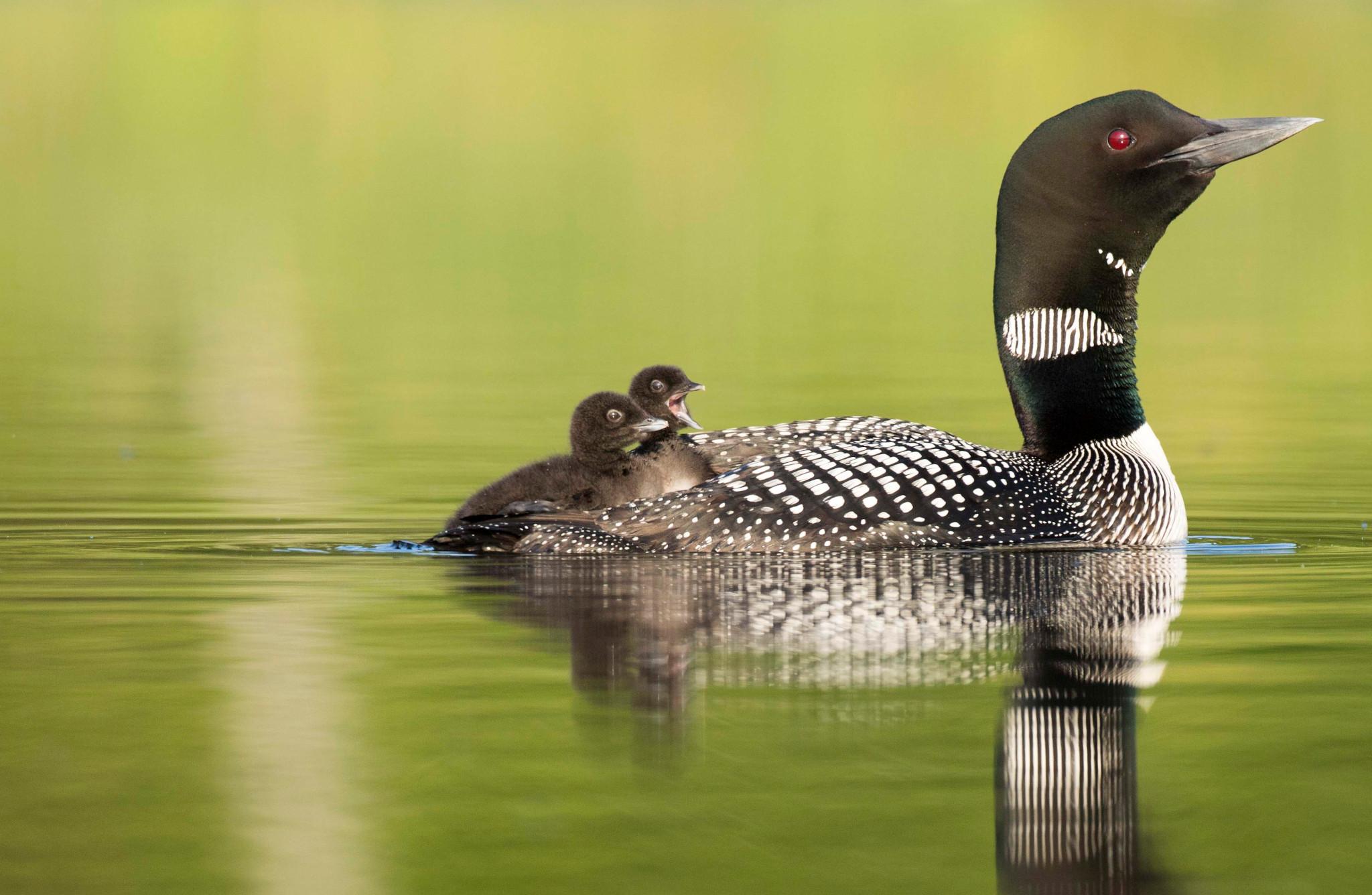
The common loon is canada’s national bird and printed on the canadian one-dollar coin (also called “loonie”). loons live everywhere in canada. A good region to see those animals is Ontario.

loons are water birds and very good swimmers and divers. The common loon lives in lakes. This animal has got a black head and a white belly. The common loon can weigh up to 4 kg. The wingspan can be more than 1 m. The young loons like to sit on their parents’ backs. Although the loons can fly very fast (up to 110 km per hour) and dive very deep (80 m), it is difficult for these birds to walk on land. loons love fish, frogs, snails and insects and can live to be 30 years old.

They live in large groups, sometimes of several thousand.

loons have got a lot of enemies. Raccoons, skunks, otters or ravens kill the loons or eat their eggs. But people are even more dangerous. They can kill the loons with motorboats. There are also people who shoot at loons. loons do not like noise, but there are more camping sites and cottages near lakes every year.

Caribou

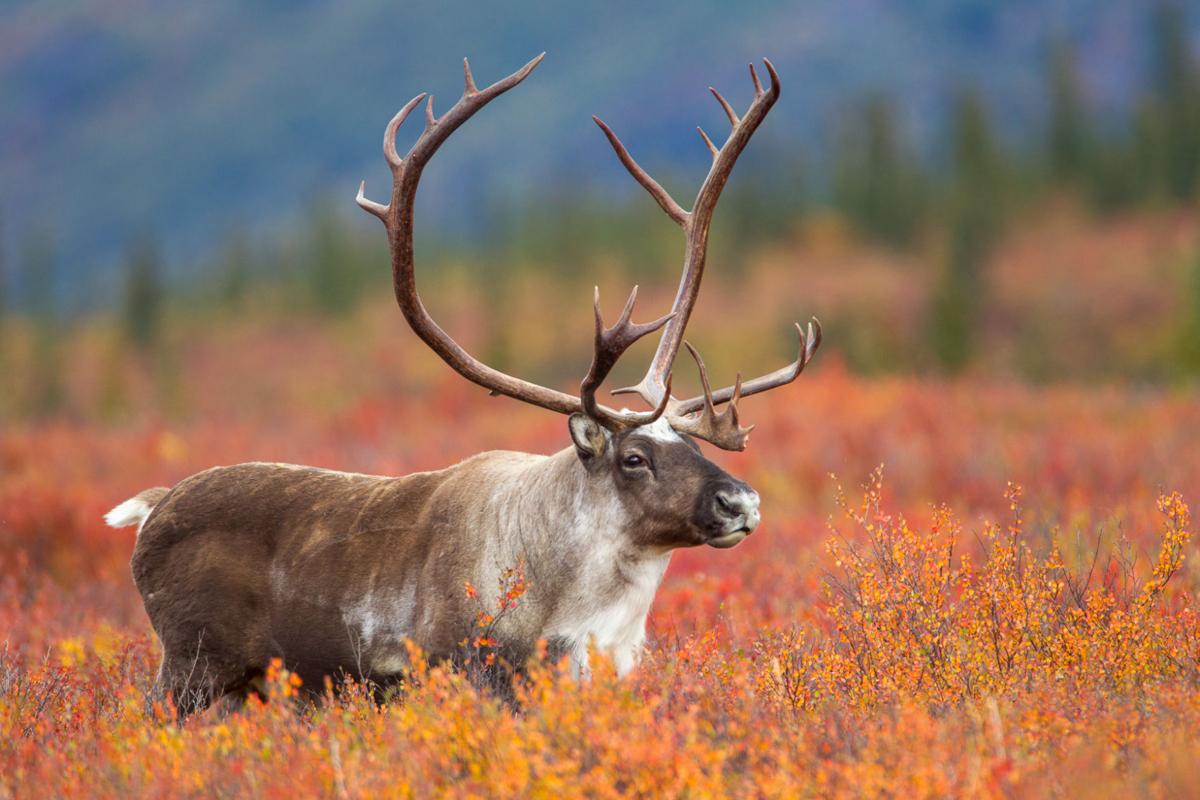
The caribou lives in the northern parts of canada, especially in forests and mountains. A lot of caribou live in the northwest Territories.

The caribou is a very popular animal in canada and printed on the canadian quarter coin.

caribou live in herds and can live to be 15 years old. They can grow up to 1,5 m and weigh up to 200 kg. Male and female caribou have got antlers, which fall off every year and grow again. The caribou’s coat is thick, long and grey during the winter and thin, short and brown during the summer. They are good swimmers, too. caribou eat plants and love grass, leaves or mosses.

They must be very careful, because bears, wolves and cougars can kill them. People are dangerous, too. They destroy the caribou’s home and cut down trees. some people even hunt caribou.

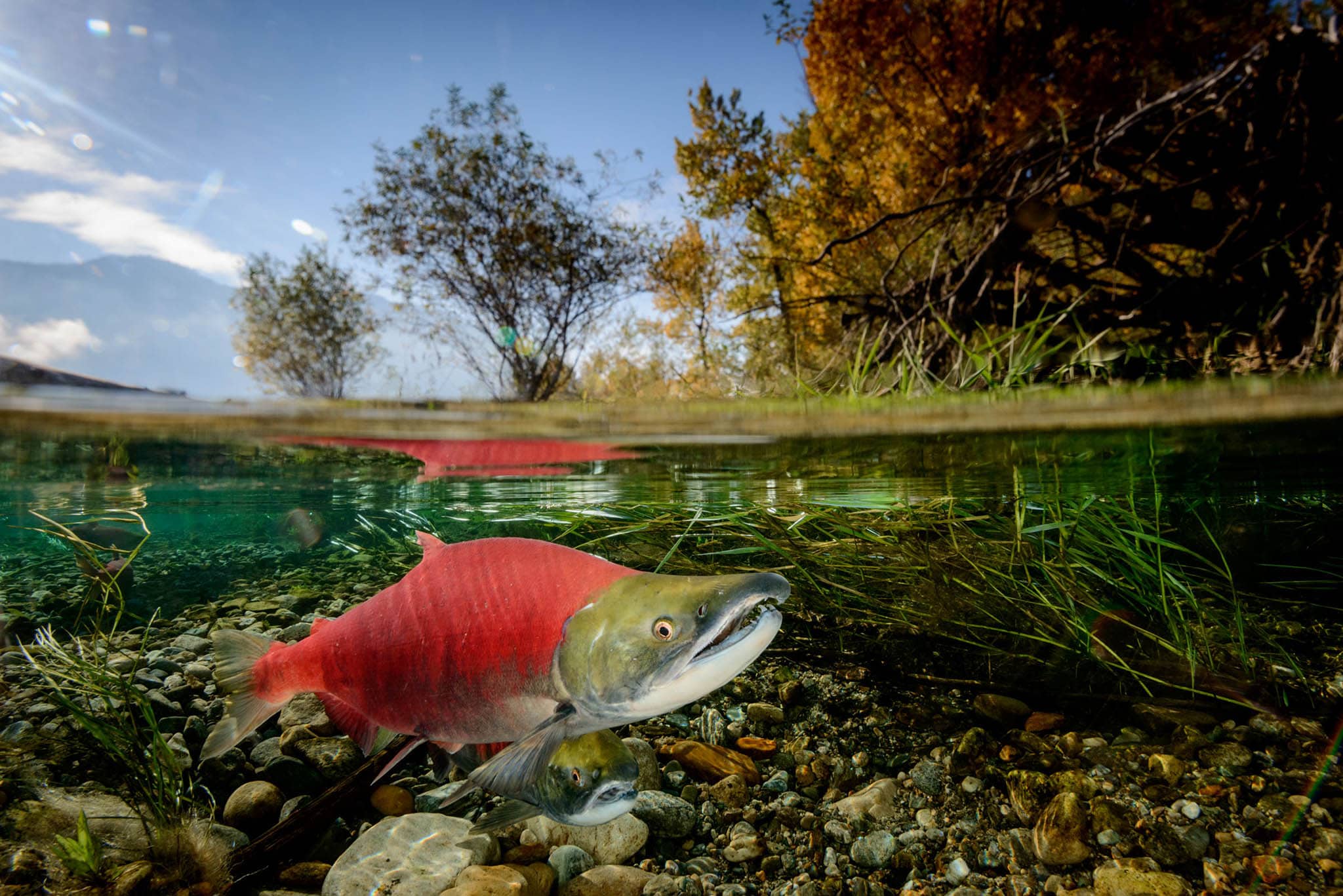
Pacific Salmon

The Pacific salmon is a famous fish in North America. It is known for its amazing journey from the ocean to the rivers where it was born. You can see Pacific salmon in rivers in the United States and Canada, especially in the Pacific Northwest.

Pacific salmon are strong swimmers. They live in the ocean but return to freshwater rivers to lay their eggs. These fish are usually silver, but they change color during their journey. Some turn bright red. Pacific salmon can weigh up to 50 kg, and some can be more than 1.5 m long. Young salmon live in rivers for a while before swimming to the ocean. When they are ready to lay eggs, they swim back to the same rivers.

Salmon love to eat small fish, insects, and plankton. They are important for the environment because many animals, like bears and eagles, eat them. Pacific salmon can live up to 7 years.

Salmon face many dangers. Bears, seals, and eagles hunt them. But humans are the biggest threat. Pollution, dams, and overfishing make it hard for salmon to survive. Logging and farming can also harm their river homes. Conservationists work hard to protect Pacific salmon so they can continue their incredible journeys.

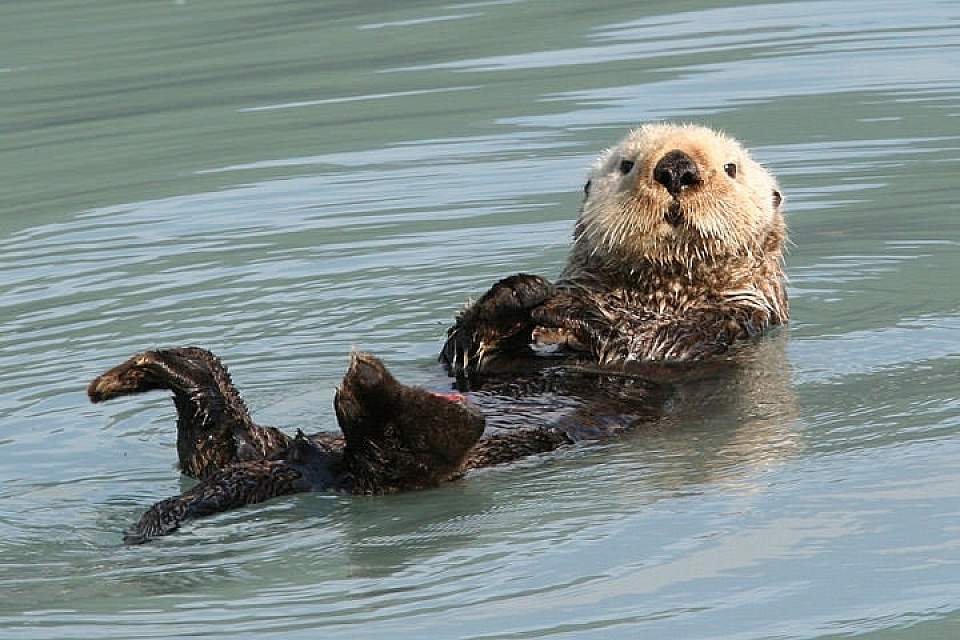
Sea otter

Canadian sea otters live along the coast of British Columbia. They are small, furry animals that spend most of their time in the water. You can see them in kelp forests, where they find food and stay safe.

Sea otters are very good swimmers and can stay underwater for a long time. They have thick fur to keep them warm. A sea otter can weigh up to 45 kg. They eat crabs, clams, sea urchins, and fish. Sea otters are clever and use rocks to open shells.

Sea otters are important for the ocean. They help keep the kelp forests healthy by eating sea urchins, which can destroy kelp. Sea otters can live to be about 15 years old.

Sea otters have many enemies. Sharks, eagles, and sometimes killer whales hunt them. But people are their biggest threat. Pollution, oil spills, and hunting have made it hard for sea otters to survive. Conservationists are working to protect sea otters and help their numbers grow.

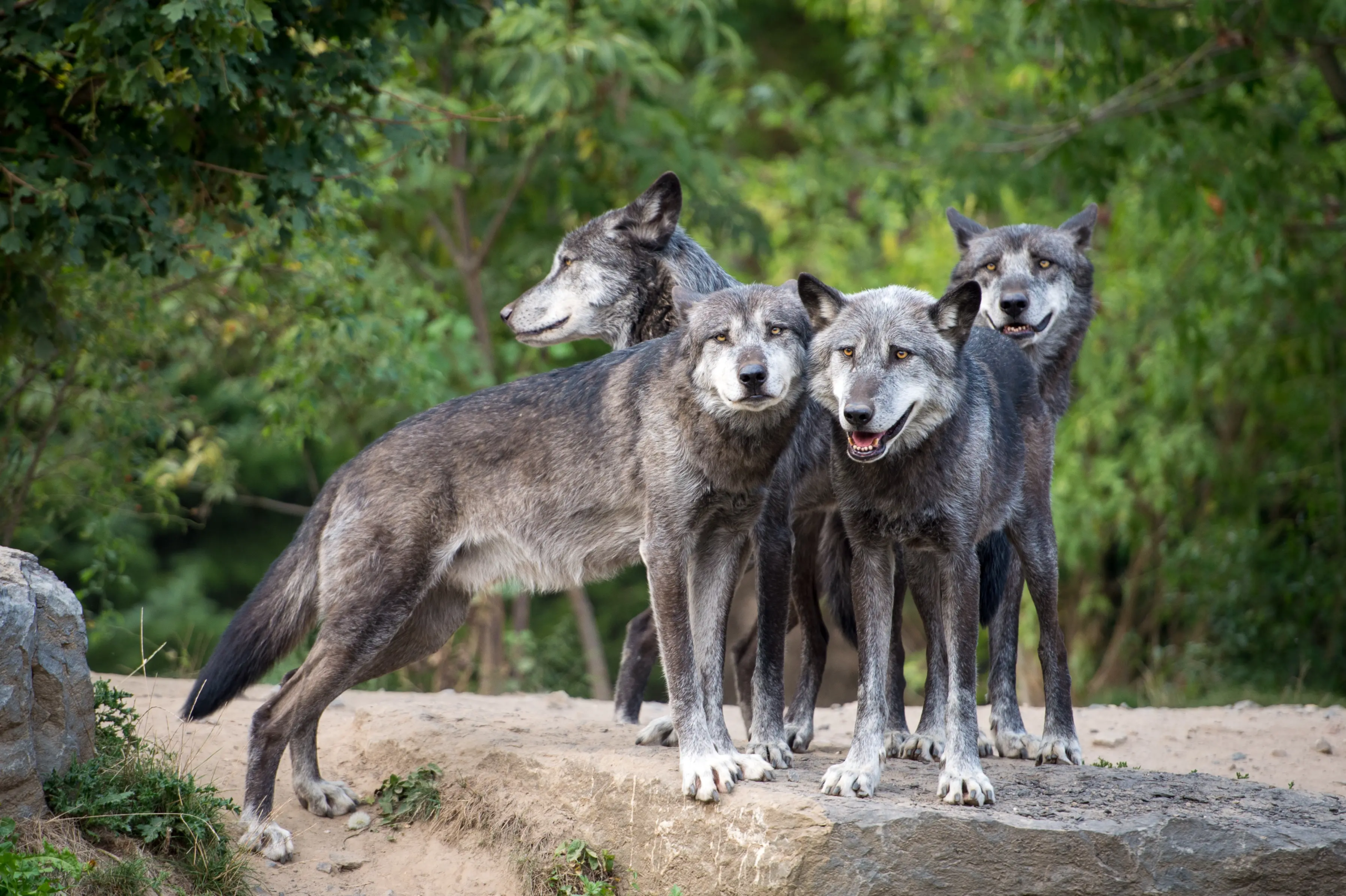
Wolves

Canadian wolves live in forests, mountains, and tundra across Canada. They are strong, wild animals and look like large dogs. Wolves are usually grey, but some can be white or black. You can see them in places like Alberta and the Yukon.

Wolves are beautiful animals with thick fur and bushy tails. They have long legs and large paws, which help them run fast and travel in the snow. Their sharp eyes and strong jaws make them excellent hunters.

Wolves live and hunt in packs. A pack usually has six to ten wolves. They work together to catch their food, which includes deer, moose, and rabbits. Wolves can weigh up to 60 kg. They are good runners and can travel long distances.

Wolves are important for nature. They help keep the populations of other animals balanced. Wolves can live to be around 8 years old in the wild.

Wolves have many enemies. Bears and other wolves can be dangerous to them. But people are the biggest threat. Hunting and loss of habitat make it hard for wolves to survive. Conservationists are working to protect Canadian wolves and their homes.