The invention of the steam engine

The steam engine

A long time ago, the only way people could travel was by foot or horse. This made traveling difficult. However, after the invention of the steam engine, people could travel much faster.

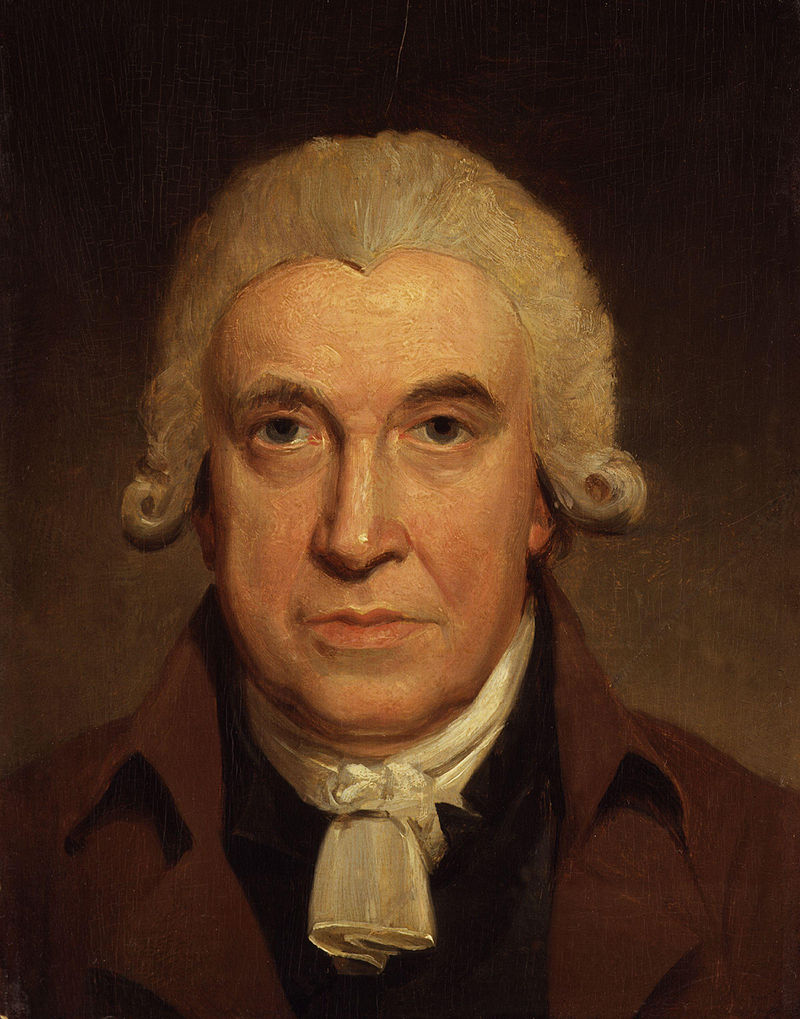
The steam engine is a type of machine that uses steam to generate power. James Watt was a Scottish inventor (born in Greenock) who improved older models of the steam engine, making them easier for people to use. Let’s discover more about what James did.

Expensive

Have you ever watched your mom or dad cook pasta? A pot of water is placed on the stove and heated until the water begins to boil. As the water boils, steam is released. Steam is water in the form of a gas.

This is similar to what a steam engine does. Coal is burned to heat water, turning it into steam. But instead of letting the steam disappear into the air, it is captured and used to power a machine. Train locomotives, ships and factory machinery were made with steam engines during the 1800s.

Unfortunately, the first steam engines, invented by Thomas Savery and Thomas Newcomen, needed to burn a lot of coal to run, which made them expensive. James Watt came up with a better way to capture steam.

New and Improved

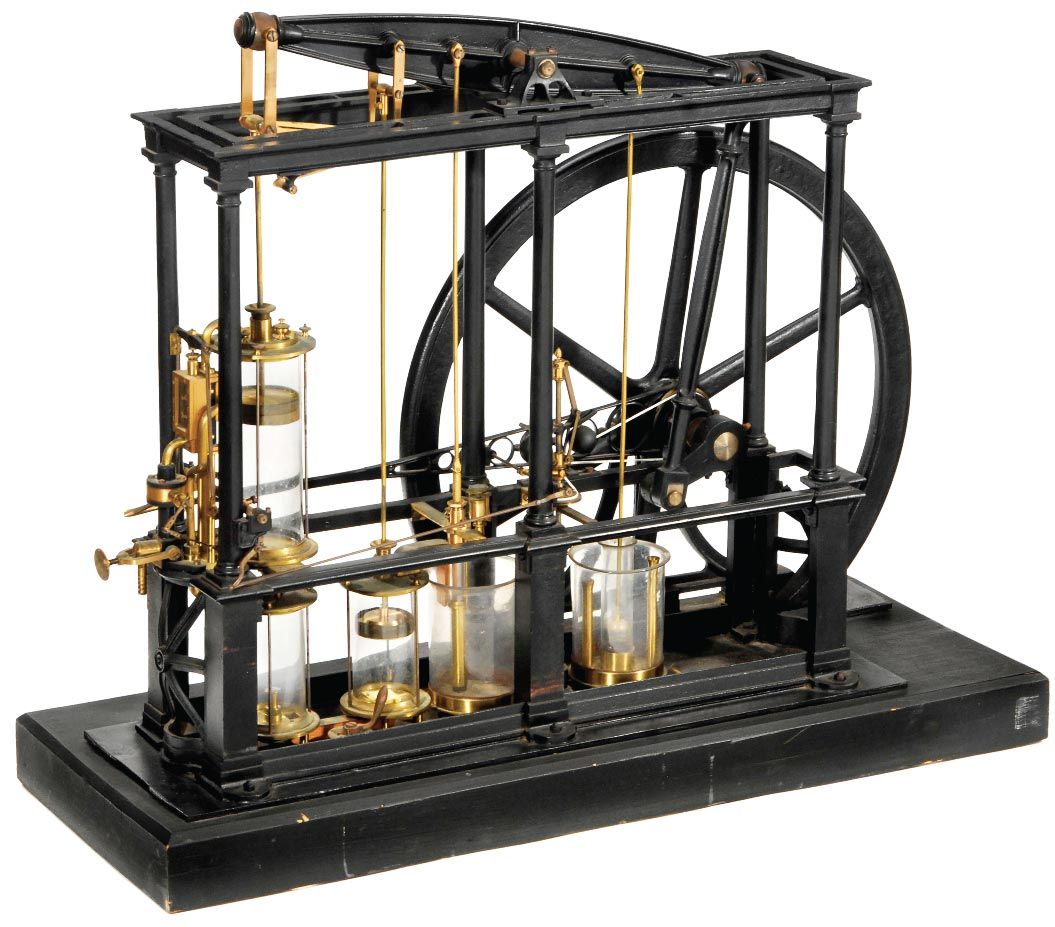
So how did James Watt improve the steam engine? It all began in 1764 when James was given a Newcomen steam engine to repair. James thought the engine wasted a terrible amount of heat. The biggest problem was that only one tank, was used. This tank had to be heated as steam came into it, and then cooled. James came up with the idea of having two separate chambers. One chamber would always be hot so it could receive steam. The second chamber would remain cool so that the steam traveling from the first tank could be converted back into water. James Watts new model of steam engine could continue working day and night and prevented a lot of steam from being wasted.

steam Dampf
engine Motor
to generate Erzeugen
inventor Erfinder
to boil Kochen
to capture Einfangen / festhalten
to waste verschwenden

James Watt

James Watts steam engine
the battle of trafalgar

The battle of Trafalgar

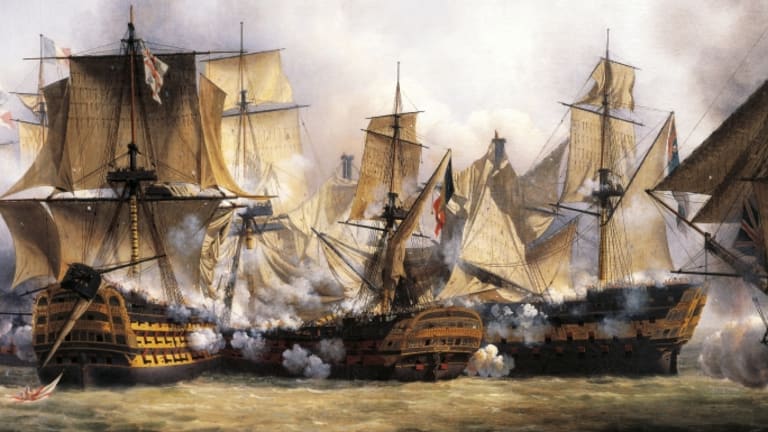
The Battle of Trafalgar was a sea battle fought in 1805 between the navies of France and Spain on one side, and Great Britain on the other. The battle took place near Cape Trafalgar, which is in southwest Spain. The battle ended with a clear victory for the British forces. This allowed Britain to become the world’s largest sea power for 100 years. The Battle of Trafalgar was the most important sea battle of the 19th century.

Before the battle

France and Britain had been at war for some time. France had built the strongest army in Europe, and controlled much of the land. Because it was an island, Britain had built a strong navy, and had used this to try to prevent French ships from leaving their ports.

The battle

The admiral (chief sailor) in charge of the British fleet was Lord Horatio Nelson. 33 ships of the French and Spanish fleet were met by the 27 ships of the British. Nelson had put his ships into two lines. Before the battle started, he sent a message which was to become famous: “England expects that every man will do his duty.”

The two British lines sailed through the French and Spanish line, splitting it, and was able to cause great damage to its ships.

However, Admiral Nelson, on board his ship, HMS Victory, was hit by a musket bullet fired by a sniper from the French ship Redoutable. The bullet entered via his shoulder, went into his lung and lodged in his spine and killed him. The French and Spanish had lost 22 ships, the British lost none.

After the battle

With control of the seas, Britain was able to build up a large empire during the years that followed and its navy was the world’s largest for over a hundred years.

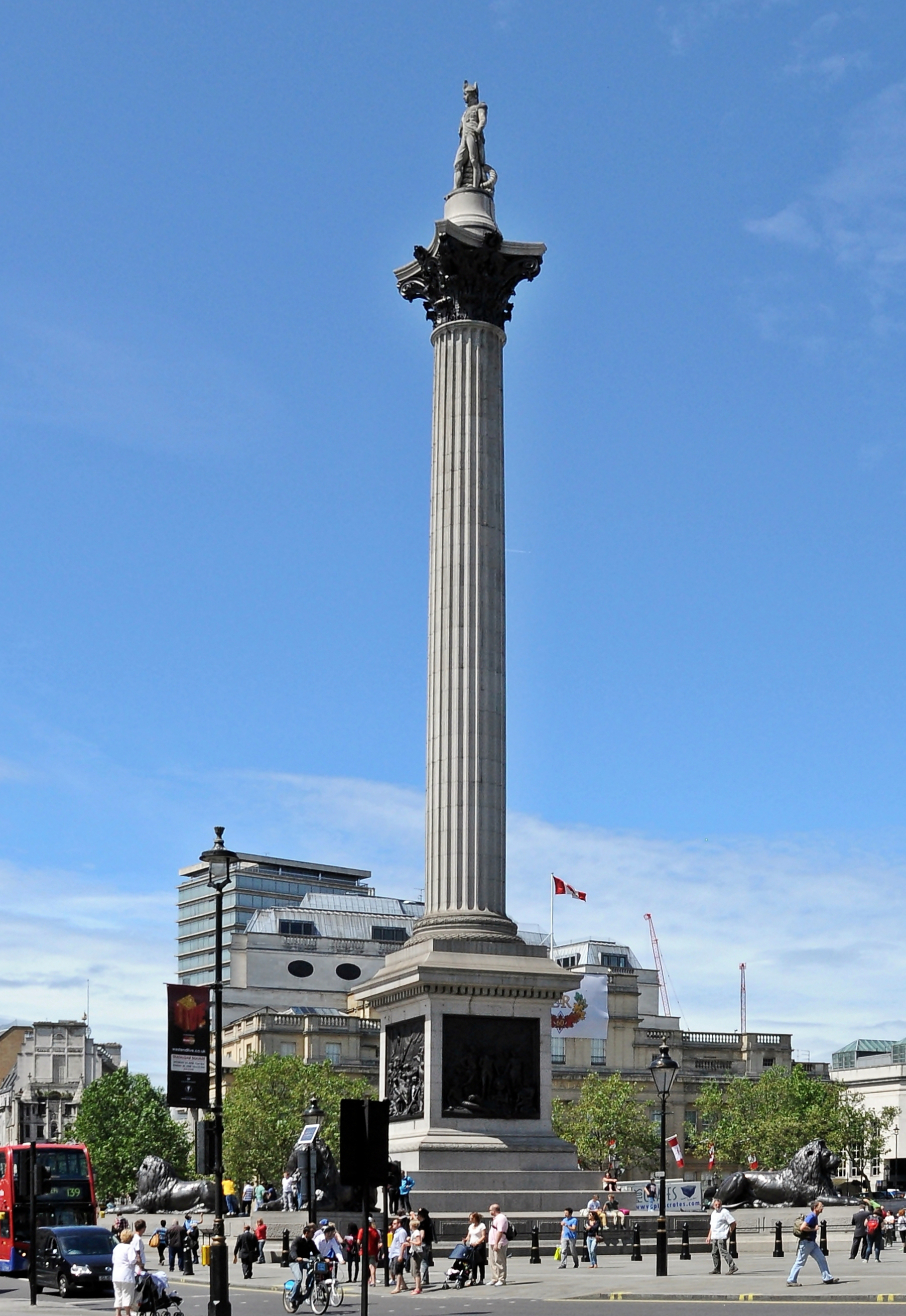
Nelson’s body was brought back to Great Britain and he was given a hero’s funeral. In 1843, the famous Trafalgar Square and Nelson’s Column were built in London to honor him.

battle Schlacht
navy (pl. navies) Kriegsflotte / Marine
to prevent verhindern
fleet Flotte
duty Pflicht
to split sth. etwas aufteilen
bullet Kugel (von einem Gewehr)
spine Wirbelsäule
empire Reich
funeral Beerdigung

Battle of Trafalgar

Nelson Column at Trafalgar Square

About the painter

Picture 1

Text 1

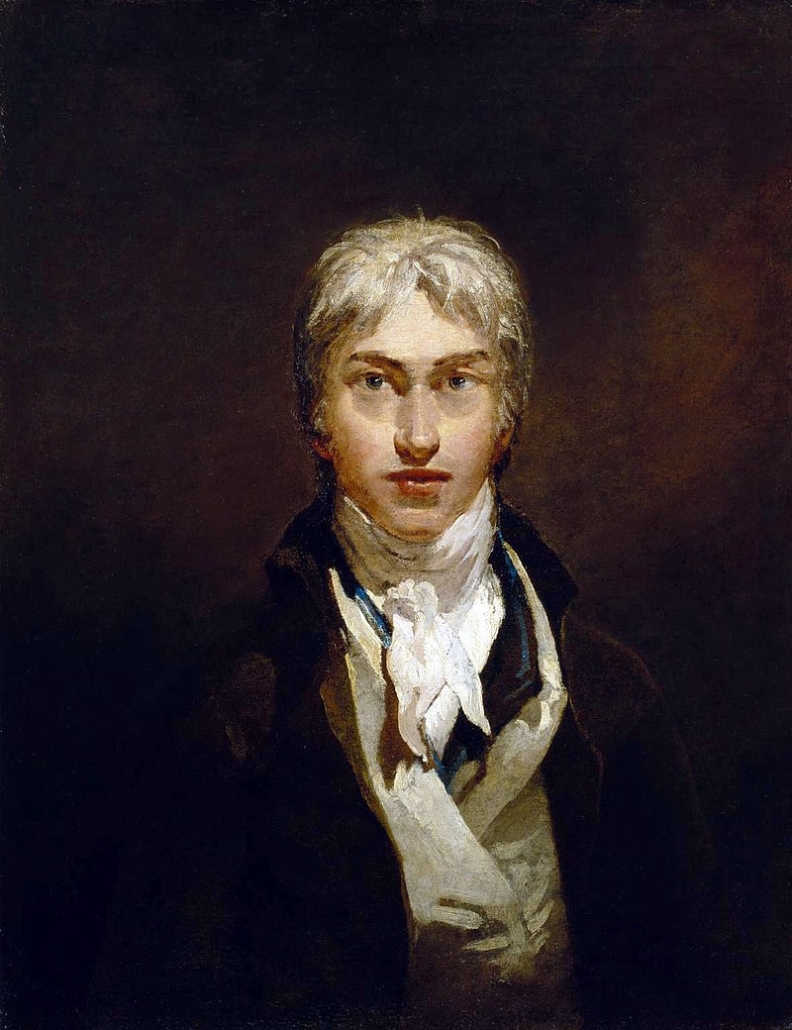
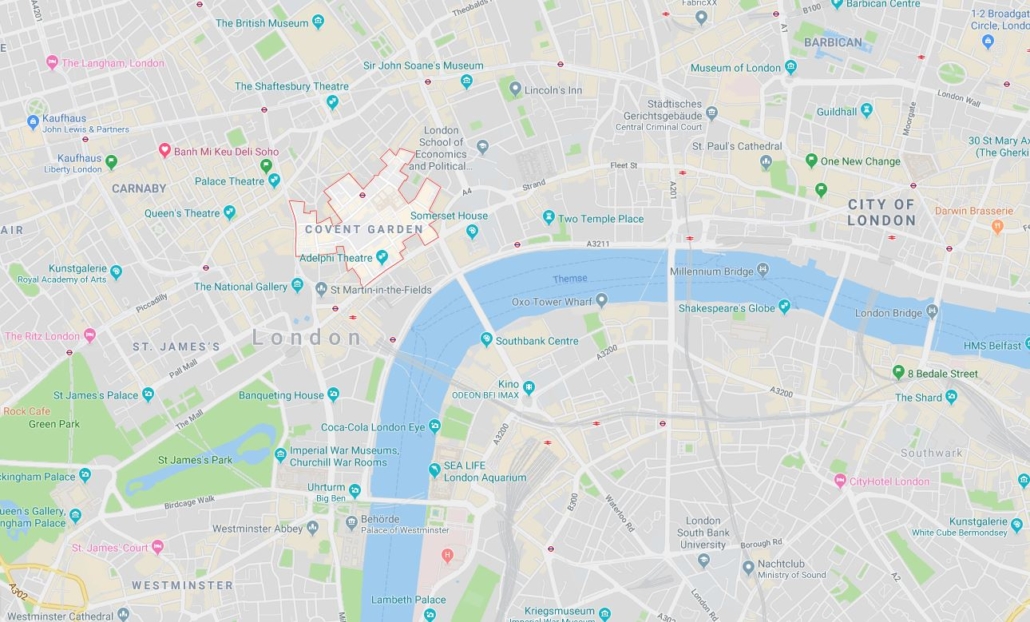
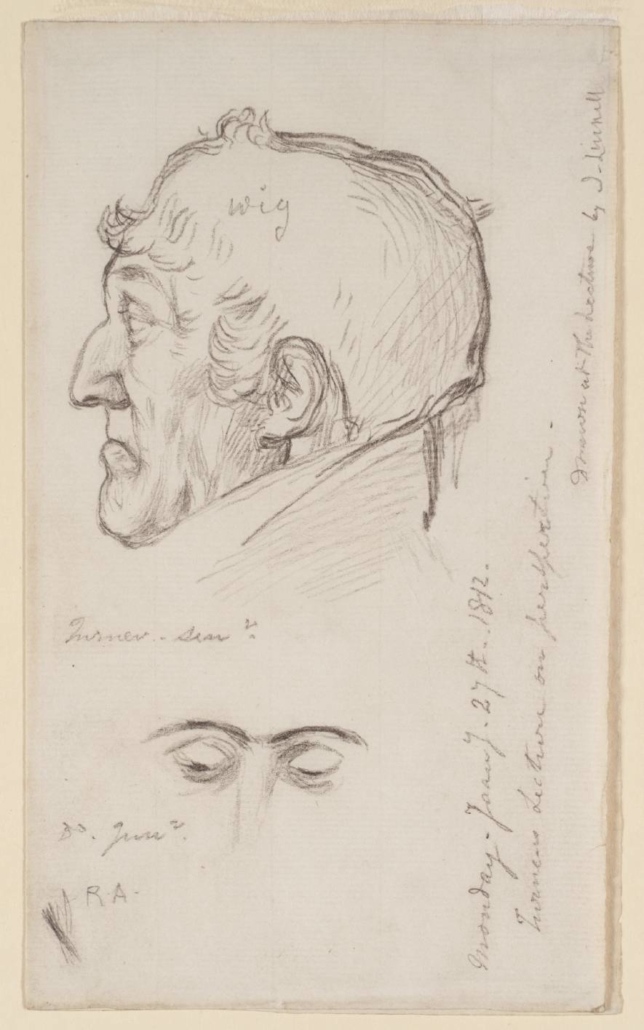
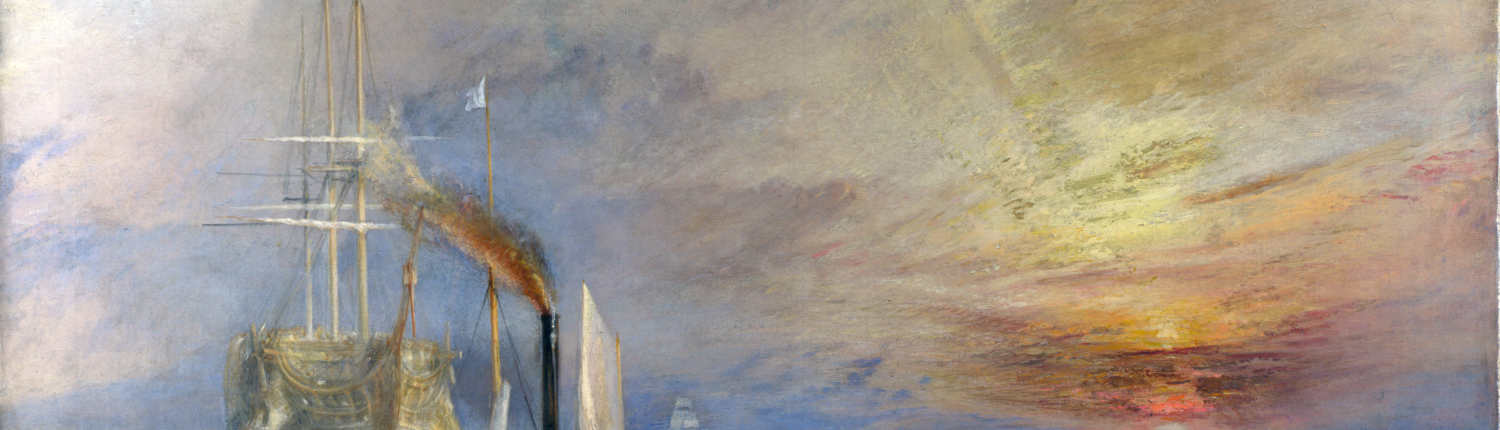
William Turner (1775 – 1851) is one of Britain’s best-known landscape painters. During his long career he produced a lot of paintings: 500 oil paintings, hundreds of watercolour paintings and around 19’000 sketches! Turner was born in the district ‘Convent Garden’ in London, the son of a barber. His father’s shop was a two-minute walk away from the Thames, which was then a busy highway of boats and one of the world’s biggest ports. From an early age, ships and boats held a strong fascination for Turner.

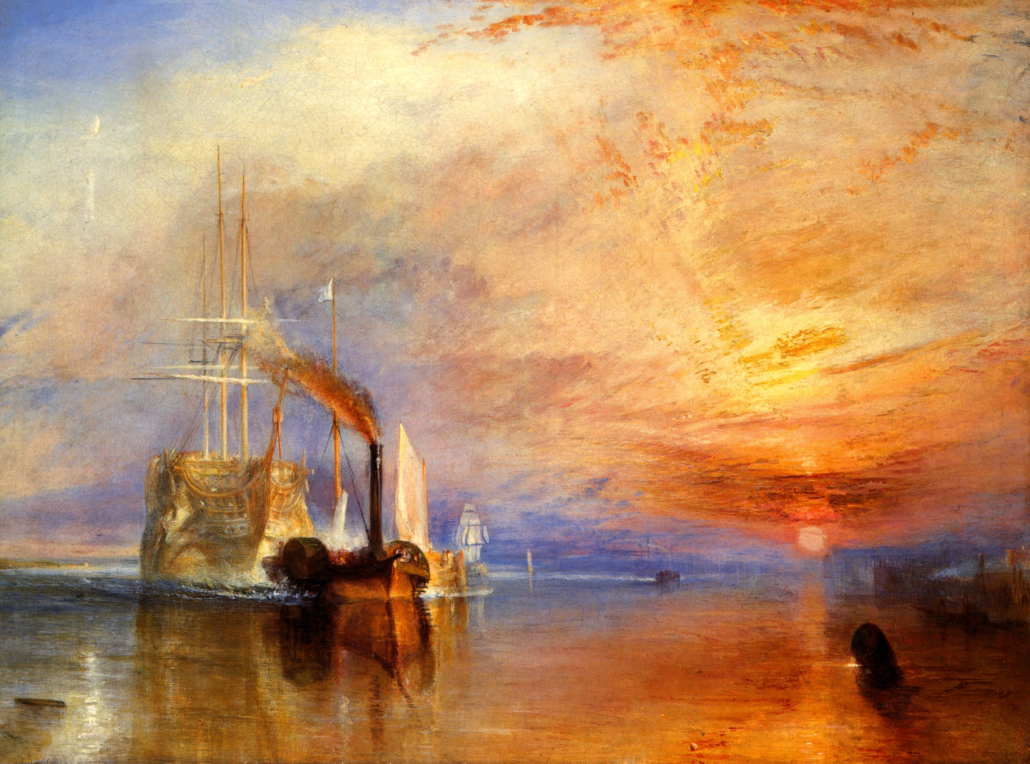
In 1789 William Turner became a student at the Royal Academy of Arts (a very famous art school) in London. The first exhibition of his paintings took place one year after that. Turner died at the age of 76, after a successful career. In his will he wrote that all oil paintings in his possession were given to the nation of England. “The Fighting Temeraire” was included among these.

sketch = die Skizze

district = das Quartier

exhibition = die Ausstellung

Picture 2

Picture set 1

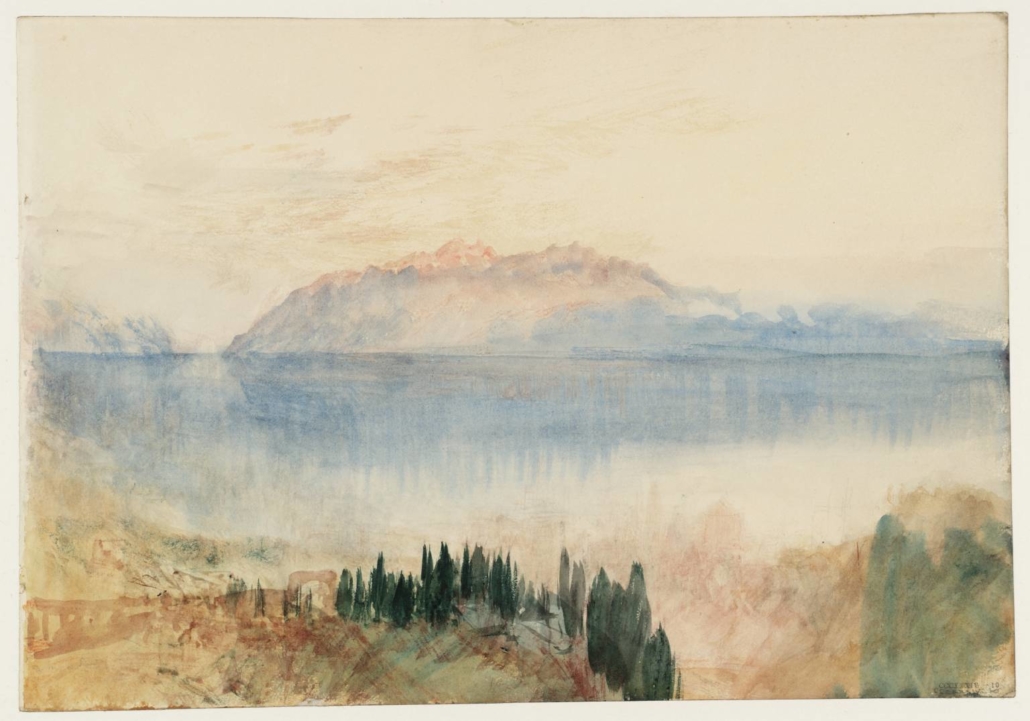
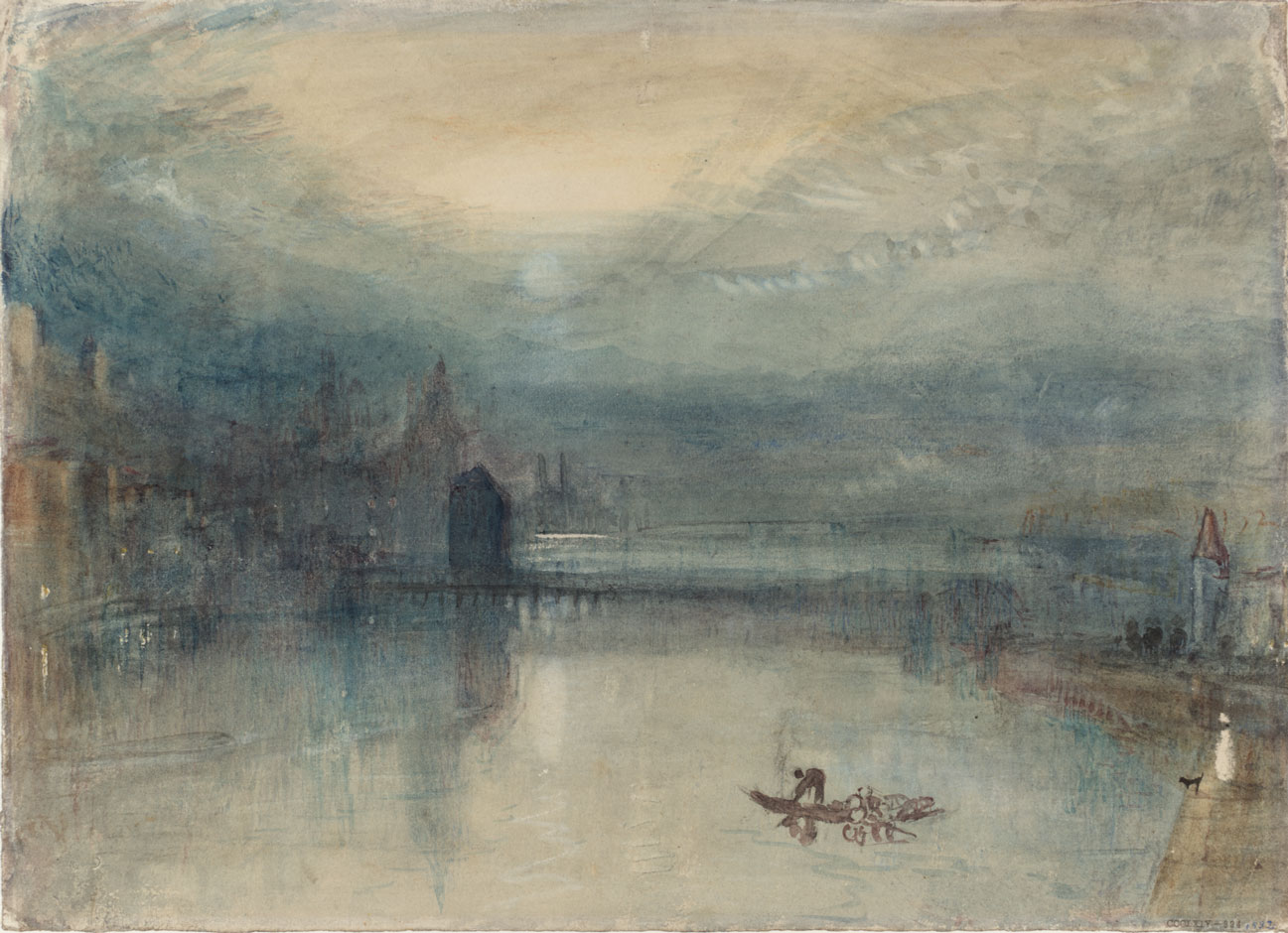
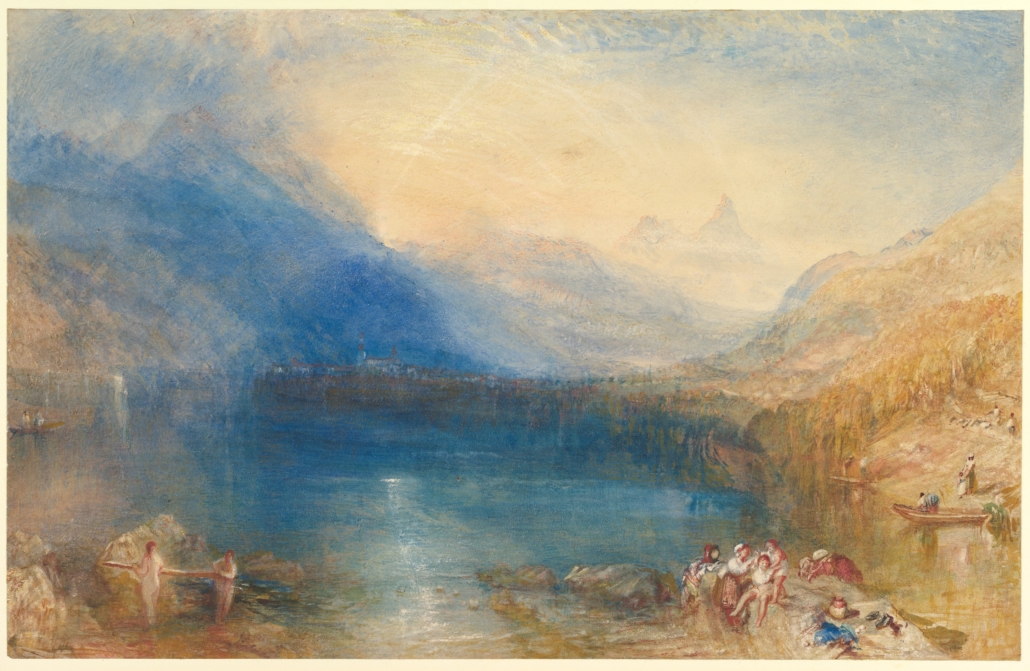
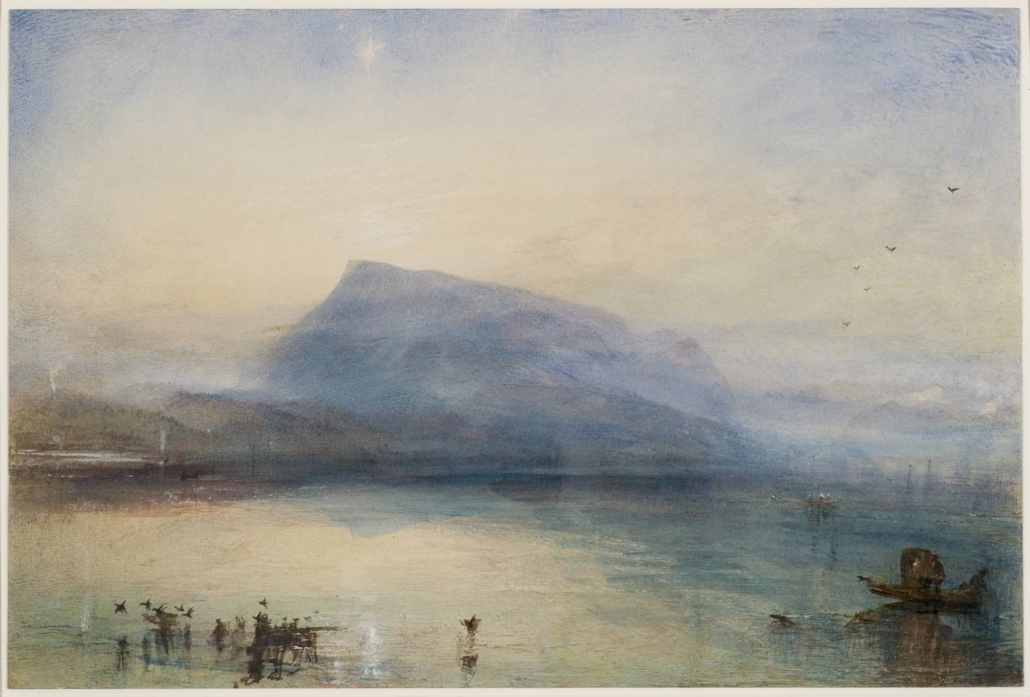
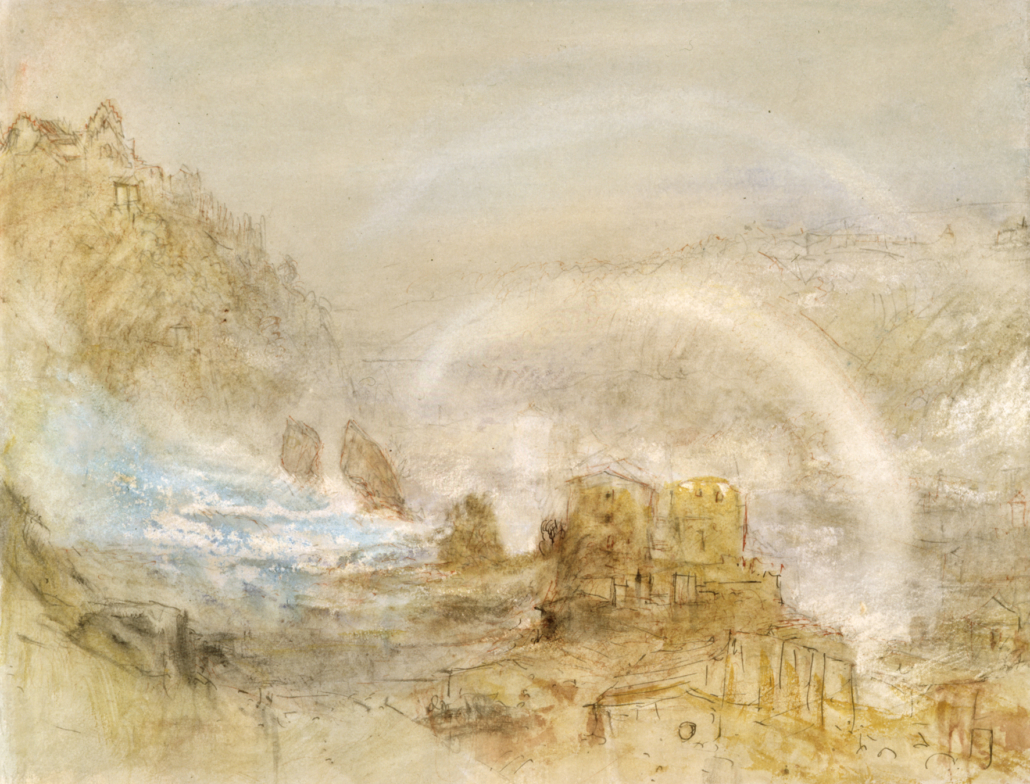
William Turner and Switzerland

Picture 3

Video 1

Picture set 2